.svg)


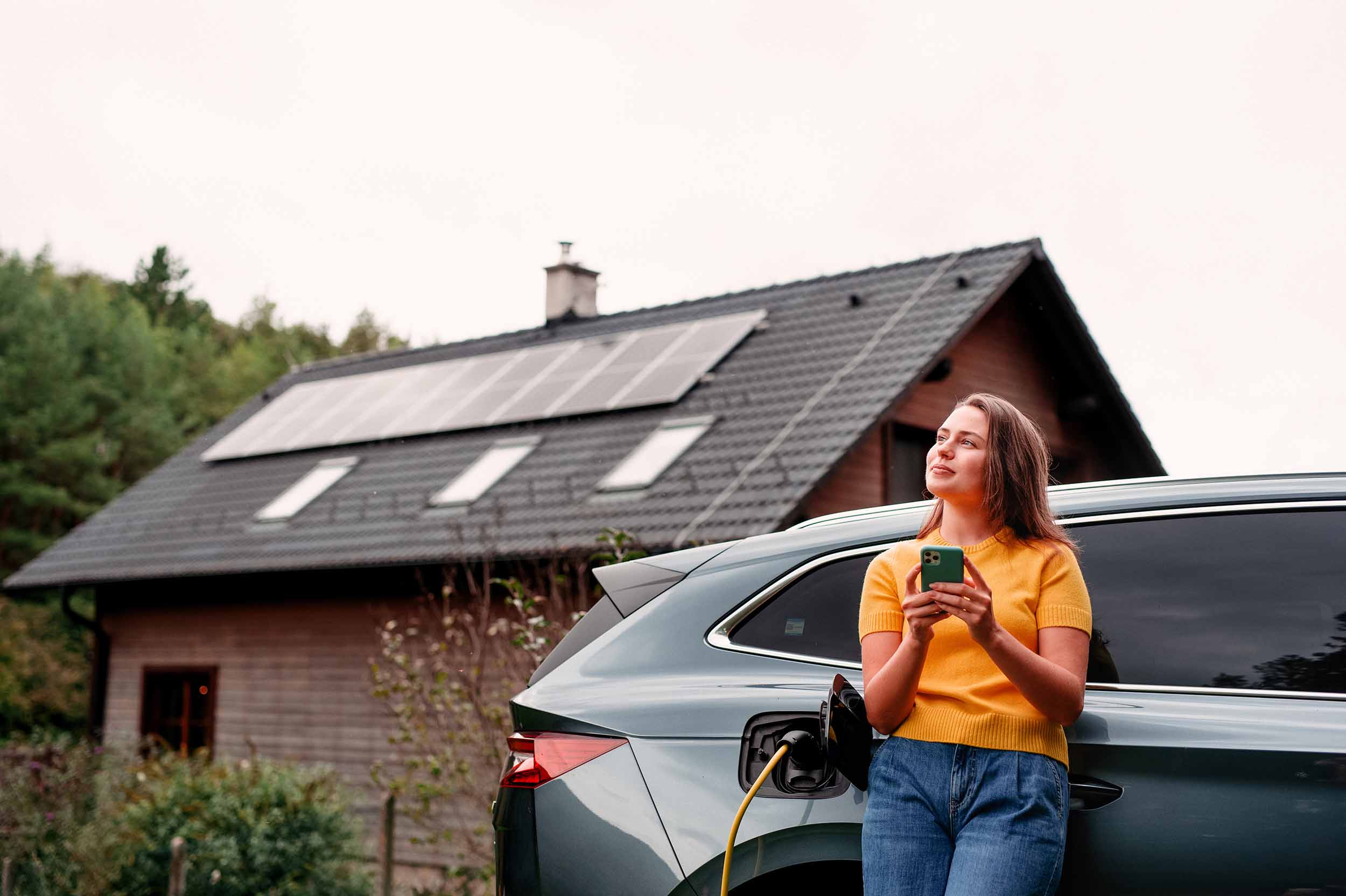
Electric vehicles are becoming an increasingly common sight on Australian roads, with more owners making the switch. In fact, there are now more than 370,000 electric vehicles (EVs) on Australian roads, with electric vehicles accounting for more than 12% of all new car sales in 2025.
Today, the true EV cost of ownership in Australia goes far beyond the purchase price alone. Charging costs, servicing, insurance, depreciation and government incentives can all influence how much an electric vehicle may cost over its lifetime.
Let’s look at the true cost of ownership for an EV.
What Does EV Cost of Ownership Include in Australia?
When comparing electric vehicles to petrol or diesel cars, it’s important to look beyond the sticker price. Total cost of ownership refers to the complete cost of owning and operating a vehicle over time.
For EV owners, this generally includes:
- Purchase price
- Charging costs
- Insurance
- Registration
- Servicing and maintenance
- Depreciation
- Home charger installation
- Government incentives or tax savings
EVs typically have fewer moving parts than petrol or diesel vehicles, which can reduce servicing and maintenance requirements over time.
In fact, EVs are significantly cheaper to run, including fuel savings of up to 70% and maintenance savings of around 40%. For an average car travelling 13,700 km per year, this could amount to an annual fuel saving of $1000, or $1200 if the EV is able to charge overnight on an off-peak tariff.
Depreciation is another important factor to consider. As the EV market continues to evolve, resale values can vary depending on brand, battery technology and demand. However, growing adoption and broader model availability are helping strengthen confidence in the long-term EV market.
How Do Government Incentives Reduce EV Cost of Ownership?
Government incentives continue to play an important role in improving the affordability of electric vehicles in Australia, particularly as the country works towards its broader emissions reduction targets. Federal and state governments have introduced a range of initiatives designed to encourage EV adoption and support the transition to lower-emissions transport.
One of the most significant incentives currently available is the Electric Car Discount introduced in 2022, which provides a Fringe Benefits Tax (FBT) exemption for eligible electric vehicles. Often accessed through salary packaging or novated leasing arrangements, this exemption can substantially reduce the cost of owning an EV for eligible employees.
The transition to electric vehicles is also being supported through green finance initiatives. The Clean Energy Finance Corporation has partnered with lenders to help improve access to competitive green car loans, making EV financing more accessible for Australian buyers.
From 1 January 2025, the Australian Government also introduced the New Vehicle Efficiency Standard (NVES), aimed at increasing the availability of low and zero-emissions vehicles in Australia. The policy is expected to encourage manufacturers to supply a wider range of EV and hybrid models to the local market over time.
Additional tax benefits may also apply depending on individual circumstances. Eligible businesses, for example, may be able to access the instant asset write-off when purchasing an electric vehicle, potentially reducing the overall cost of ownership.
Support can also vary by state and territory, with some jurisdictions offering incentives such as reduced registration costs, stamp duty exemptions or rebates for eligible buyers.
Looking ahead, the 2026 Federal Budget outlined proposed changes to EV FBT concessions over the coming years:
- Under the current arrangements, the full FBT exemption for eligible EVs is expected to remain in place until 31 March 2027.
- From 1 April 2027 to 1 April 2029, the full exemption is proposed to apply only to eligible EVs valued at $75,000 or less. Vehicles above this threshold but below the fuel-efficient luxury car tax threshold would instead receive a 25% reduction in FBT payable.
- From 1 April 2029 onwards, the proposal would replace the full exemption with a 25% FBT discount for eligible EVs below the fuel-efficient luxury car tax threshold.
The Government has indicated that existing leases are not expected to be affected by these proposed changes.
How Much Does Charging Impact EV Cost of Ownership?
Charging is one of the biggest factors influencing EV running costs, but for many Australians, it can also be one of the biggest areas of savings.
The cost of charging an EV will depend on where and when charging takes place. Home charging is typically the most affordable option, particularly for households with access to off-peak electricity rates or rooftop solar systems.
Public fast charging networks can be more expensive than home charging, particularly when using ultra-fast chargers on long-distance trips.
For regional Australians, charging accessibility and infrastructure availability may also influence ownership costs and convenience. While Australia’s charging network continues to expand, buyers in regional areas may need to consider local charging availability as part of their ownership planning.
Are EVs Becoming More Affordable in Terms of Total Cost of Ownership?
For many Australians, the answer is increasingly yes.
While EV prices have historically been a barrier for some buyers, the market is changing rapidly. Increased competition, improved battery technology and a growing number of manufacturers entering the Australian market are helping drive prices down.
CSIRO predicts households that fully switch to EVs by 2030 will save up to $30,000 over 20 years when compared to a household that doesn’t make the switch. The exact savings will depend on how often you drive, your access to home charging, and local electricity rates.
At the same time, lower running costs, reduced servicing requirements and government incentives are helping narrow the ownership cost gap even further. For buyers planning to keep their vehicle for several years, these savings can have a meaningful impact on long-term affordability.
At IMB Bank, we understand that purchasing a vehicle is a significant financial decision. Whether you’re considering your first EV or comparing financing options, understanding the full cost of ownership can help you make a more informed choice for your future.
Find out more about our new car loans for EVs.